Array of Play Diversity: Design and Evaluation Tool for Creating Young Children’s Play Spaces
This journal article presents the Array of Play Diversity (APD), a visual framework developed from the assessment of play environments across 63 high-rise housing developments in Pune, India. Mapping 40 physical elements across eight environmental play qualities, the APD functions as both a design guide and an evaluation tool to help practitioners create richer and more diverse play spaces for young children.
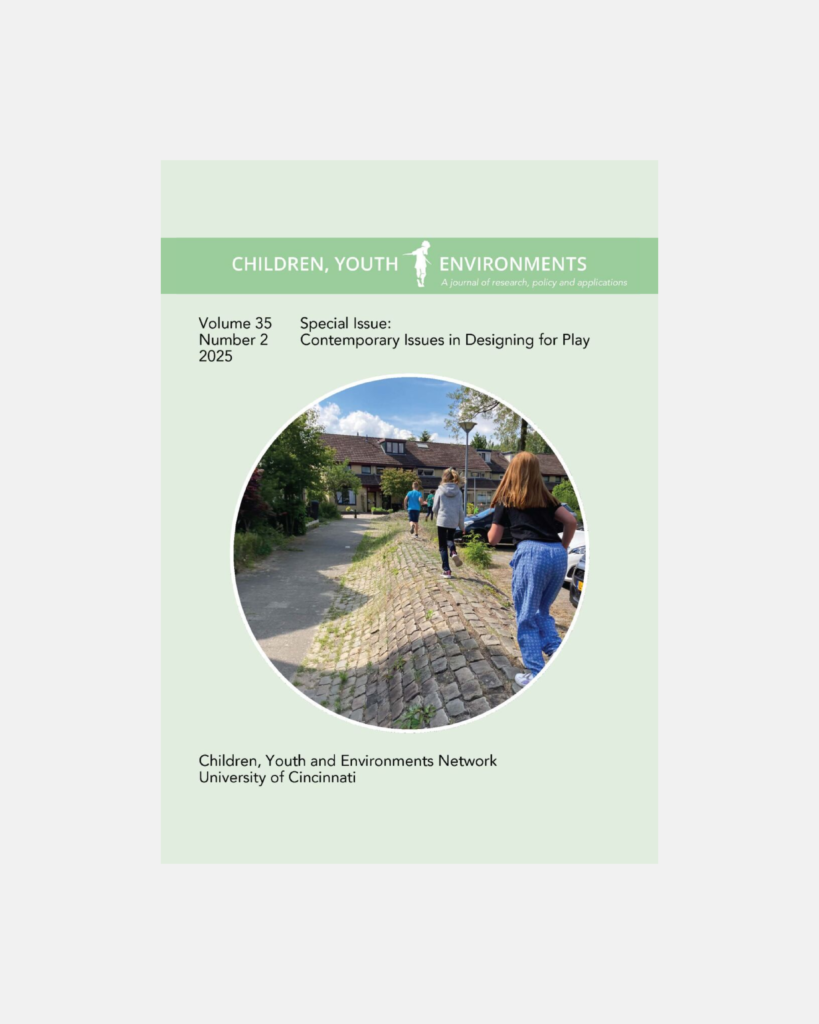
Where do young children in middle-class high-rise housing estates play? A critical analysis of spatial planning and design parameters across seven heterogeneous housing estates in Pune, India.
This journal article studies seven high-rise housing estates in Pune, India to understand the gap between designed play areas and the spaces children truly use. Through interviews with designers and caregivers alongside field observations, it reveals how planning decisions, materials, and everyday routines shape play opportunities. The paper concludes with eleven practical guidelines for creating more responsive and inclusive play environments in housing communities.
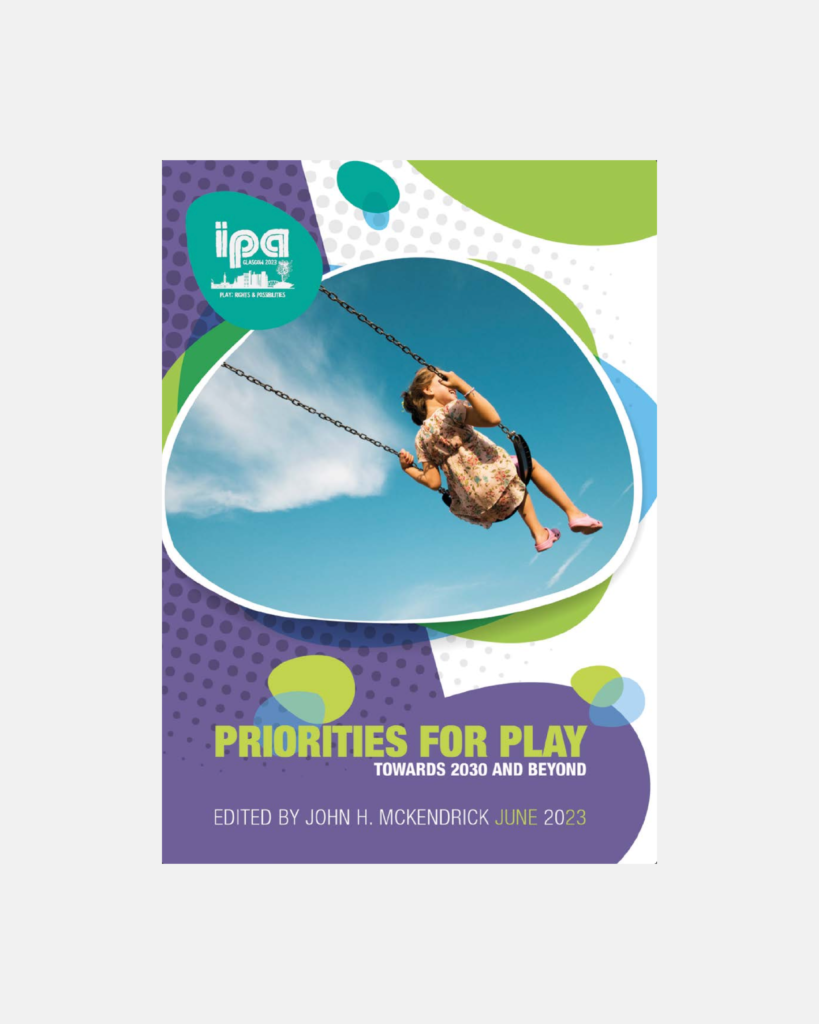
Being active in play environments: The key to children’s health and wellbeing
This article explores how neighbourhood environments shape children’s opportunities to play, connect, and grow. As cities evolve and everyday routines become more structured, many children face subtle barriers to outdoor play. The article reflects on why play spaces matter, what current playgrounds often overlook, and how rethinking the qualities of neighbourhood environments can open up richer possibilities for children’s everyday experiences.
Nature-based play in high-rise estates
This article examines the challenges children face in accessing nature within dense urban housing environments. As cities grow vertically, everyday play often becomes confined to designated areas with limited connection to natural settings. The article reflects on how high-rise neighbourhoods can rethink green spaces to better support children’s play, exploration, and relationship with the natural world.
Young Children’s Play in High-rise Housing: A Window into the Changing Lives of Urban Middle-class Families in Pune Metropolitan Area
This research examines how spatial design and everyday practices shape young children’s play in high-rise housing in India. Grounded in Bronfenbrenner’s Ecological Model of Human Development, it considers both the environments created by developers and the ways parents and caregivers use and interpret these spaces.
Based on studies across 63 housing societies and seven in-depth case studies in Pune, the research combines observations, interviews, and spatial analysis, drawing on The Production of Space. It results in the Array of Play Diversity, along with design principles and practices to support better play opportunities for young children in high-rise contexts.
Children’s Play in Urban Areas
This book chapter provides a critical review of literature related to children’s free and manipulative play in urban areas with a peek into possible future directions for children’s play.
Recognizing that play is fundamental to the development of a child, and that it has value when driven voluntarily and freely, children’s free play that encourages exploration, curiosity and imagination are examined. Nature provides quick access to a wide range of materials, heights and textures that encourages children to manipulate and make sense of their worlds through play. In this light, the chapter explores opportunities and challenges in urban settings that afford or restrict free and manipulative play; and also critically reflects upon designed play spaces including “adventure”, “loose parts”, and “traditional” playgrounds.
Access to these publications is shared upon request.
Please reach out to us on LinkedIn.

This entry is licensed under a Creative Commons Attribution-NonCommercial-ShareAlike 4.0 International license.

