The Environmental Psychology Society (EPS) is a collaborative learning community dedicated to understanding the relationship between people and their environments.
With the EPS Reading Seminar at the core, EPS extends into lectures, research dissemination, conferences, and collective inquiry—cultivating reflective practitioners across psychology, geography, landscape architecture, planning, architecture, and allied fields. Its purpose is to ensure that built environments are not only functional or beautiful, but meaningful, humane, and grounded in lived experience.
The EPS Logo
1. The EPS Logo – Our logo brings together two core theories of Environmental Psychology – Lefebvre’s Spatial Triad and Bronfenbrenner’s Ecological Model of Human Development. At EPS, we recognise that the ecology of human behaviour is not only the space that is ‘produced’ at each ‘space’ but also how these ‘produced’ ‘spaces’ are impacted by the larger cultural values, local and national laws, and policies.

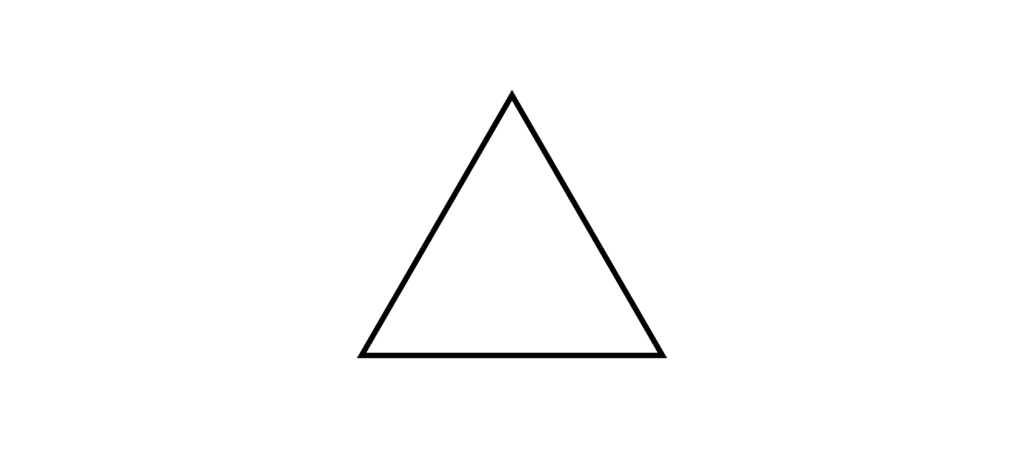
2. Spatial Triad – Lefebvre recognizes space as a complex social construction produced by the conceptualized, actual, and experienced triad; where conceptualized space is the one imagined by architects, planners, and urbanists; actual space is where people live their everyday life; and experienced space is where users make meaning through associated images and symbols. (Lefebvre 1974/1991)
3. Ecological Model of Human Development – Bronfenbrenner’s ecological model of human development unpacks the nested hierarchy of factors that influence human behaviour with respect to their environments. These factors include the microsystem, mesosystem, exosystem, macrosystem, and the chronosystem. Together, they demonstrate the need to simultaneously address both the social influences and the physical environment, including its spatial arrangement and material qualities. (Bronfenbrenner 1994)


This entry is licensed under a Creative Commons Attribution-NonCommercial-ShareAlike 4.0 International license.

