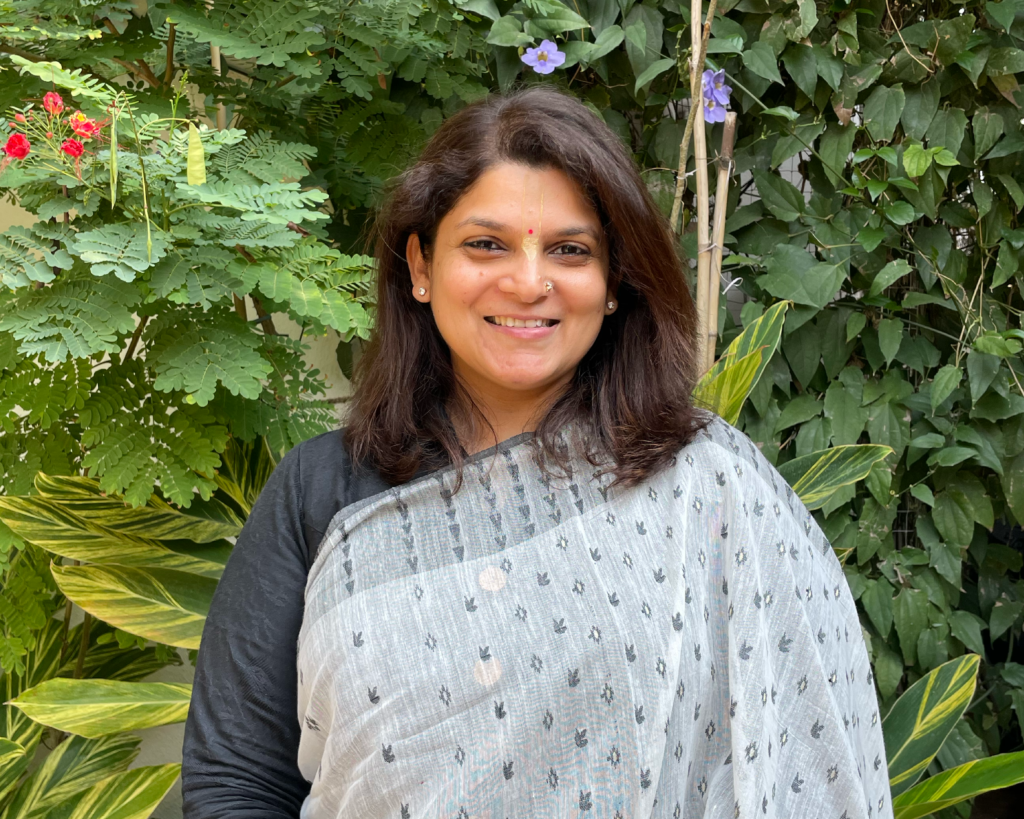
Dr. Sruthi Javdekar
Founder & Curator
Bachelor of Architecture;
Masters in Landscape Architecture;
Masters in Philosophy; and
PhD in Environmental Psychology
Contact
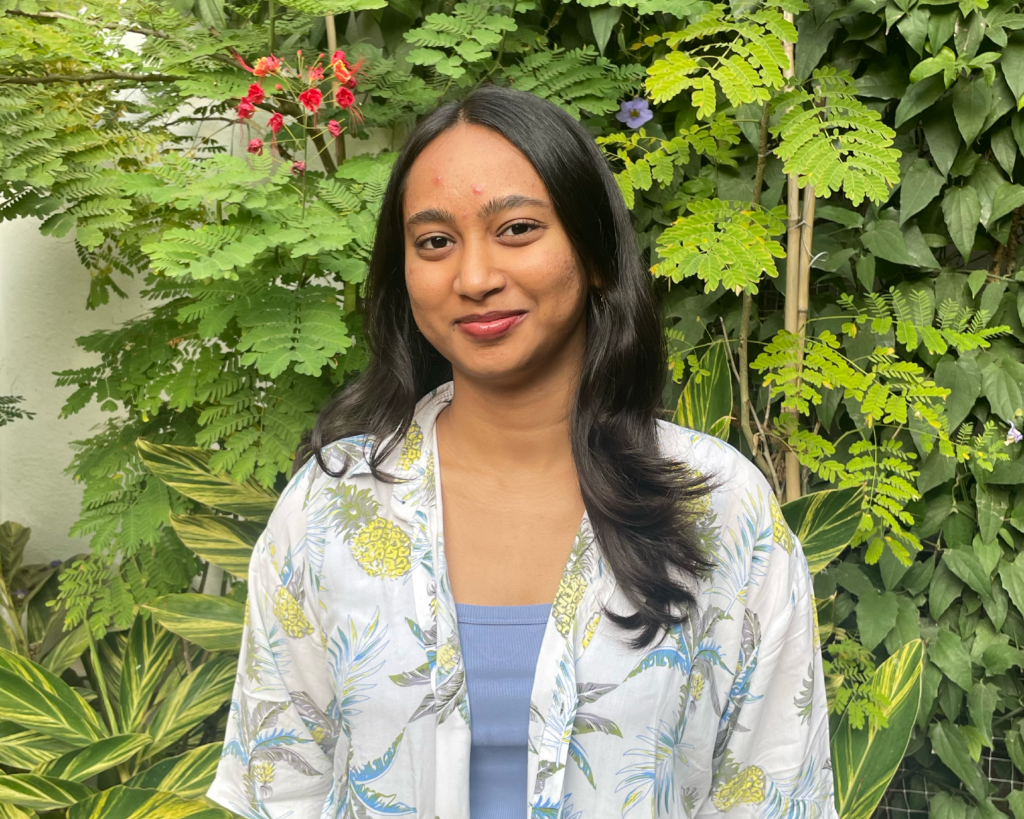
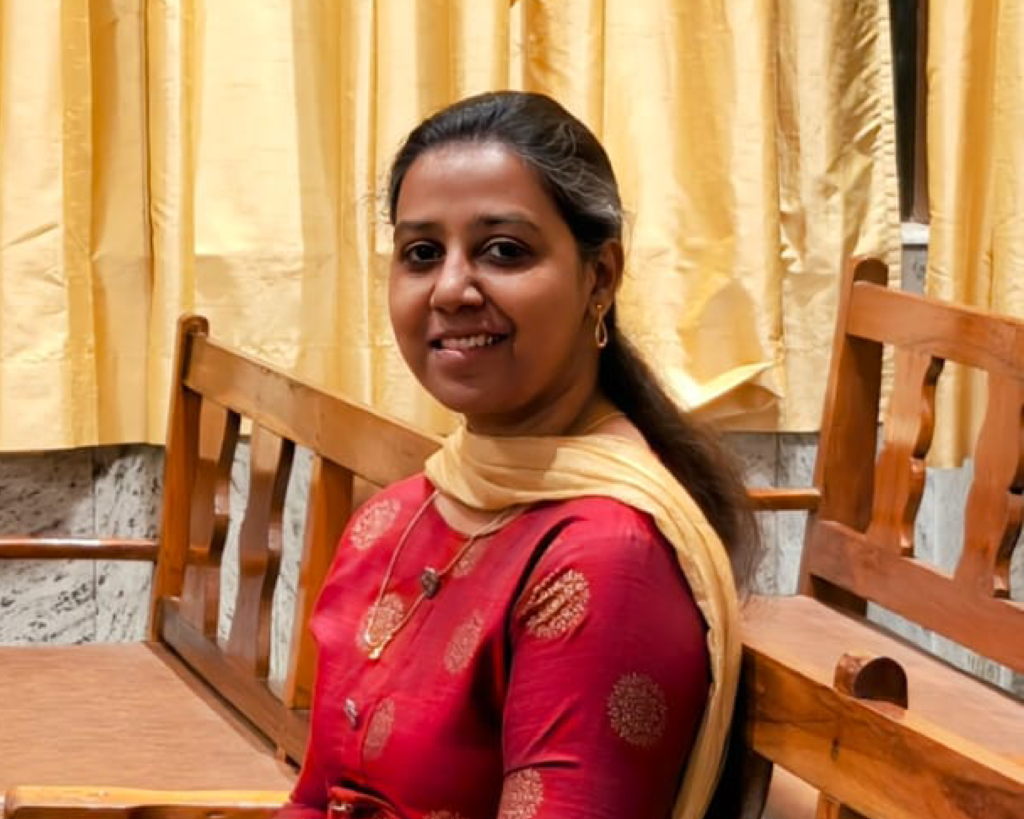
Joanna P. Udaykumar
Contributor
Bachelor of Arts (English, Psychology, Sociology);
Masters in Psychology;
PG Diploma in Psychogical Counseling Skills;
Master of Philosophy in Psychology; and
Currently pursuing a PhD in Psychology
Contact
How Participation Works
EPS functions as an open, evolving collective. Participation is initiated through engagement rather than a formal application process.
1. Join the EPS Reading Seminar
The primary entry point to EPS is the Reading Seminar. This space allows individuals to engage with environmental psychology through reading, listening, and reflection, without any predefined roles or expectations.
2. Engage in Sessions and Activities
With continued participation, patterns of engagement begin to emerge.
Participants may take on different modes of involvement:
- Contributors – Individuals who participate periodically in seminars and discussions, offering insights and reflections.
- Core Members – Individuals who demonstrate sustained engagement and contribute more deeply to EPS activities. This may include publishing peer-reviewed work related to environmental psychology, or co-authoring articles and field reports with the Founder & Curator. Where contributions are not peer-reviewed, a doctoral-level qualification is expected.
3. Contribute to the Collective
Roles within EPS are not formally assigned; they are recognised through continued engagement and effort.
Over time:
- Contributors may develop into Core Members.
- Core Members may take on responsibilities such as facilitating seminars, contributing to ongoing work, or initiating a research project.

This entry is licensed under a Creative Commons Attribution-NonCommercial-ShareAlike 4.0 International license.

